
Sometimes. And “sometimes” is the problem.
Personal auto policies are built for personal driving. Commuting to work usually fits. Hauling tools to a job site, making deliveries, or driving clients around often doesn’t. Find out which side of the line you’re on before an accident does it for you.
Does Personal Auto Insurance Cover Business Use?
It depends on how you use the vehicle and what your policy says. For light, occasional use, often yes. For regular or revenue-generating use, often no.
Policies generally treat driving in three buckets:
- Personal use: Errands, travel, and usually commuting. Covered.
- Business use: Driving for work purposes, such as client meetings, sales calls, or running supplies between locations. Coverage varies, and your insurer may rate the policy differently.
- Commercial use: Delivery, transporting goods or passengers for pay, hauling equipment, or carrying employees. Frequently excluded.
The wording varies by carrier. Read your policy’s exclusions. Don’t rely on an assumption or a verbal answer from years ago.
Personal vs. Commercial Auto Insurance: What’s the Difference?
The gap between personal and commercial auto comes down to purpose, ownership, and risk.
Personal auto insurance covers vehicles used by individuals and families. It’s priced around household driving habits.
Commercial auto insurance covers vehicles used in business operations. It insures vehicles titled to a company, covers multiple drivers, and carries higher liability limits. It accounts for the added exposure of more miles, equipment in the vehicle, and employees behind the wheel.
Commercial policies cost more because the risk is greater. A denied claim costs far more than a higher premium.
When Personal Auto Insurance Often Falls Short
Several common situations put a personal policy at risk:
- Deliveries and ride-based services: Many personal policies exclude driving for pay, whether that’s food delivery, courier work, or transporting passengers.
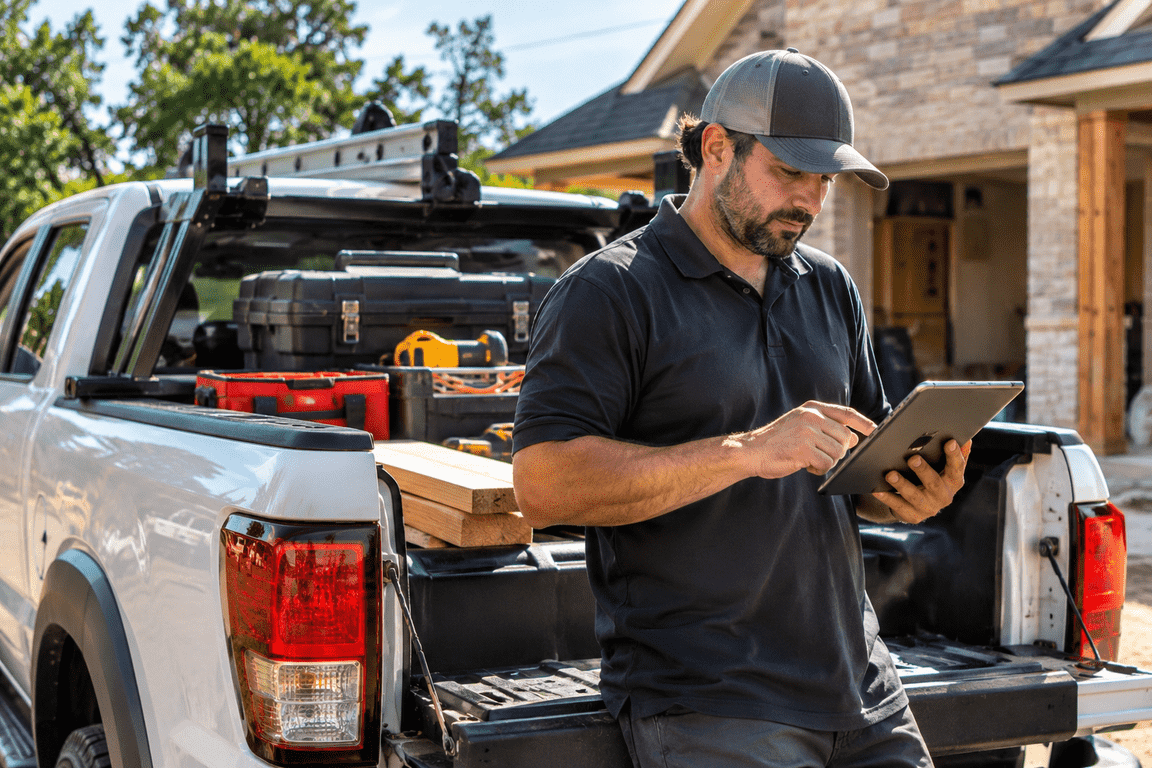
- Hauling tools and equipment: Contractors, landscapers, and tradespeople carry heavy gear. Commercial use can trigger exclusions, and equipment in the vehicle may not be covered at all.
- Company-owned vehicles: A vehicle titled to your LLC or corporation generally needs a commercial policy.
- Employees driving for you: Your personal policy typically won’t cover other people driving for your business.
- Signage and branding: A vehicle wrapped with your company logo is clearly working for the business. Insurers notice.
Not sure which category you fall into? Ask your agent. A short conversation now beats a long dispute after a claim.
What Happens If You Have an Accident While Using Your Car for Business?
If the insurer decides the trip fell outside your policy, it can deny the claim. Then you’re personally on the hook for:
- Repair or replacement of your own vehicle
- Injuries to the other driver and passengers
- Damage to the other party’s property
- Legal costs if you’re sued
A business can also get pulled into the claim, especially if an employee was driving or the vehicle was titled to the company. Failing to disclose business use can lead to a cancelled or non-renewed policy.
Commercial Auto Insurance in Oklahoma: What to Know
Commercial auto insurance in Oklahoma must meet the same state minimum liability limits as personal policies, currently 25/50/25. Those minimums are rarely enough for a business. A serious accident involving a work vehicle can exceed them quickly, and your business assets may be on the line.
Common commercial auto features include:
- Higher liability limits than the state minimum
- Coverage for multiple drivers, including employees
- Physical damage coverage for your vehicles
- Hired and non-owned auto coverage for employees driving their own cars on your behalf
- Coverage options for equipment carried in or on the vehicle
Tulsa adds its own layer of risk. Heavy traffic on the Broken Arrow Expressway and I-44, plus Oklahoma hailstorms, raise both liability and physical damage exposure. Comprehensive coverage matters when a storm parks a hailstorm on your work truck overnight.
Do You Need Commercial Auto Insurance in Tulsa?
Ask yourself five questions:
- Is the vehicle titled to a business?
- Do employees drive it?
- Do you carry tools, equipment, or inventory?
- Do you drive for deliveries or services?
- Is your business name or logo on the vehicle?
One yes is enough to call an agent. Several means you almost certainly need commercial auto insurance in Tulsa.
A commercial auto policy works alongside your other business coverage too. General liability insurance doesn’t cover vehicle accidents, so auto needs its own policy. A business owner’s policy bundles liability and property but leaves out auto. These policies fill different gaps, and all of them matter.
Work With a Local Independent Agent
Carriers define business use differently. Some allow limited business driving on a personal policy. Others draw a hard line. An independent insurance agency in Tulsa compares multiple carriers, explains how each handles business use auto insurance in Oklahoma, and matches your policy to how you actually drive.
You can review personal auto insurance options alongside commercial insurance for Oklahoma businesses to see exactly where the two differ.
The Bottom Line
Commuting is usually fine. Deliveries, hauling, employee drivers, and company-owned vehicles usually aren’t. Don’t guess. Check your policy, tell your insurer how the vehicle is actually used, and get the right coverage in place before you need it.
Get a Business Vehicle Insurance Review
Not sure your auto policy covers how you drive for work? Contact Oklahoma Insurance Connection for a no-pressure review. We’ll find the gaps before a claim does.